


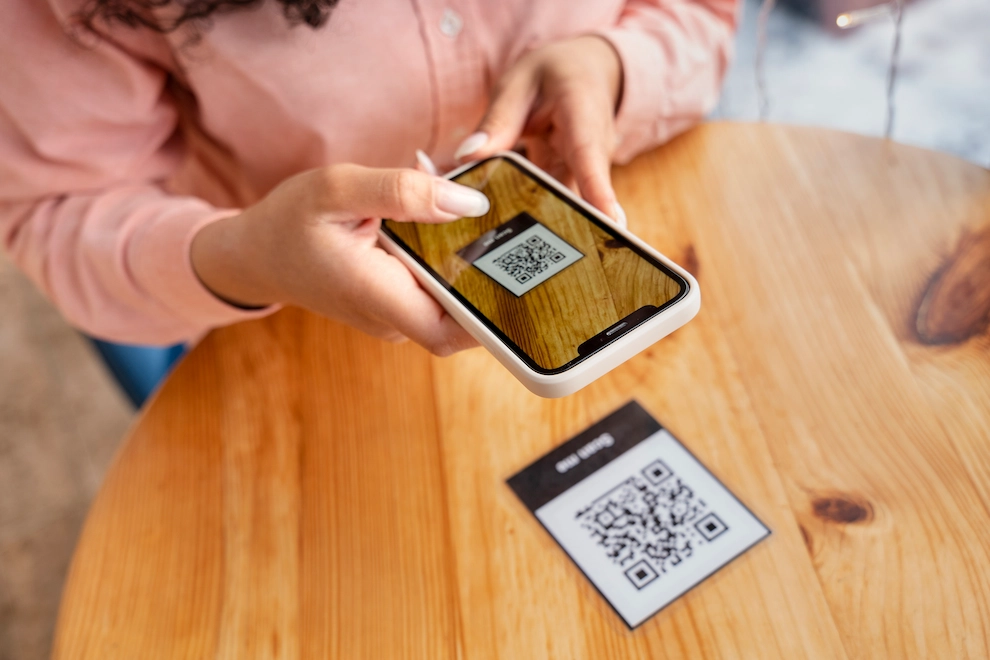
Barcode labels are one of the most important elements that determine the identity of products and ensure traceability. Used at every stage from production to storage, shipping, and point of sale, barcode labels can quickly wear out or become unreadable if the wrong material is chosen. Especially in industries such as manufacturing, logistics, automotive, chemical, or food, it is crucial for labels to withstand heat, humidity, friction, and chemicals. So, which barcode label is the most durable? Which materials offer long-lasting performance? In this article, we will discuss barcode label types, durability differences, and the best solutions for challenging environments in detail.
Types of Barcode Labels and Durability Differences
Barcode labels are produced from different materials depending on their purpose, usage duration, and environmental conditions. Each label type has its own advantages.
Coated (Semi-Gloss) Paper Labels:
Typically preferred for office, retail, or short-term use. They are easy to print on but not resistant to moisture, heat, or outdoor conditions. Ideal for dry and indoor environments.
Direct Thermal Labels:
Produced using direct thermal printing technology, these labels are suitable for short-term applications. Commonly used for shipping labels, supermarket shelf labels, or temporary product tagging. However, they can easily fade with sunlight, heat, or chemical exposure.
Thermal Transfer Labels:
These labels are printed using thermal transfer ribbons, making the print more durable and long-lasting. Labels printed with the thermal transfer method maintain readability even in harsh environments.
PP (Polypropylene) Labels:
Highly resistant to water, moisture, and abrasion. Commonly preferred for food packaging, cosmetic products, and outdoor labeling.
PET and Metalized Labels:
Among the most durable barcode labels. They resist extreme heat, chemical exposure, sunlight, and mechanical impacts. Frequently used in industrial production, electronic component labeling, and machine identification.
Best Label Materials for Harsh Environments
In demanding production and storage conditions, barcode labels must be far more durable than standard paper labels. In such environments, PET and metalized labels are among the most suitable solutions offering long-lasting performance.
Thermal Transfer Printing: The Key to Durability
In durable barcode labels, the printing method is just as important as the material. Thermal transfer printing technology uses ribbon to create permanent, high-contrast prints. Thanks to this method, the ink layer transferred to the label surface through heat provides resistance against friction and chemical exposure.
What to Consider in the Most Durable Barcode Labels
When choosing a durable barcode label, it is important to consider not only the material but also the intended use and environmental conditions. Here are some key points to pay attention to:
- Duration of use
- Environmental conditions
- Adhesive quality
- Print quality
Label Size and Color: The label should be appropriately sized for the product and easily readable by scanning devices.
The Most Durable Barcode Label Solution: PET and Metalized Labels
In terms of durability, PET and metalized labels are the most preferred label types for industrial applications. PET labels are highly resistant to high temperatures, UV rays, water, and wear.
Professional Durable Label Solutions from DGS Printing Technologies
The most durable barcode labels deliver maximum performance when the right material is combined with the right printing technology. DGS Printing Technologies provides high-quality, long-lasting, and professional label solutions tailored to the needs of businesses. The thermal transfer printers and PET and metalized label systems offered by DGS deliver excellent results even in harsh industrial environments.
If you are looking for long-lasting and durable barcode label solutions that protect the identity of your products, you can explore DGS’s professional systems and take your production processes one step further.


